// The Context
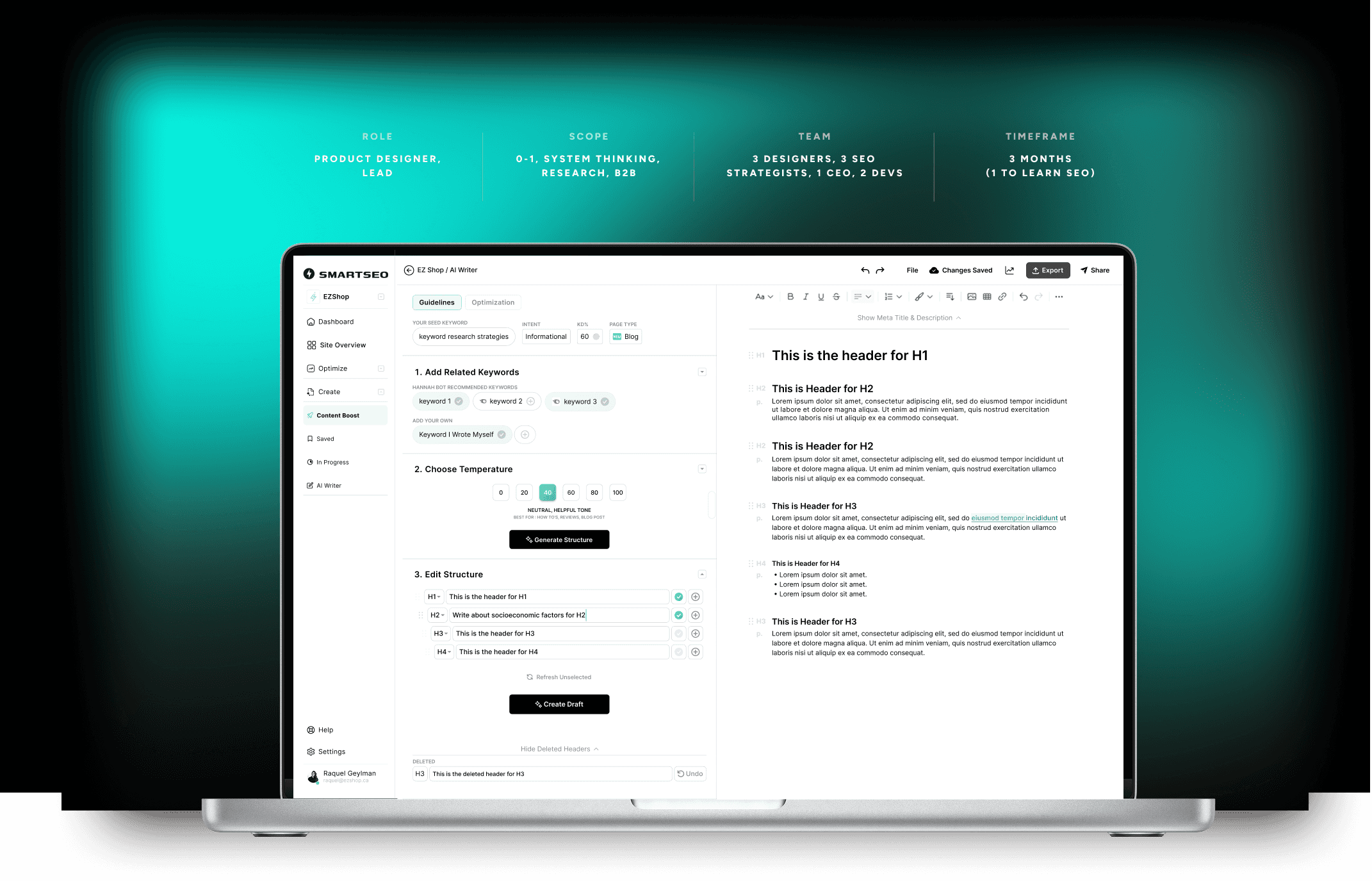
EZshop is a 150k/MRR SEO agency. Growth staled as output was bottlenecked by busywork. I shaped the MVP for an AI in-house tool.
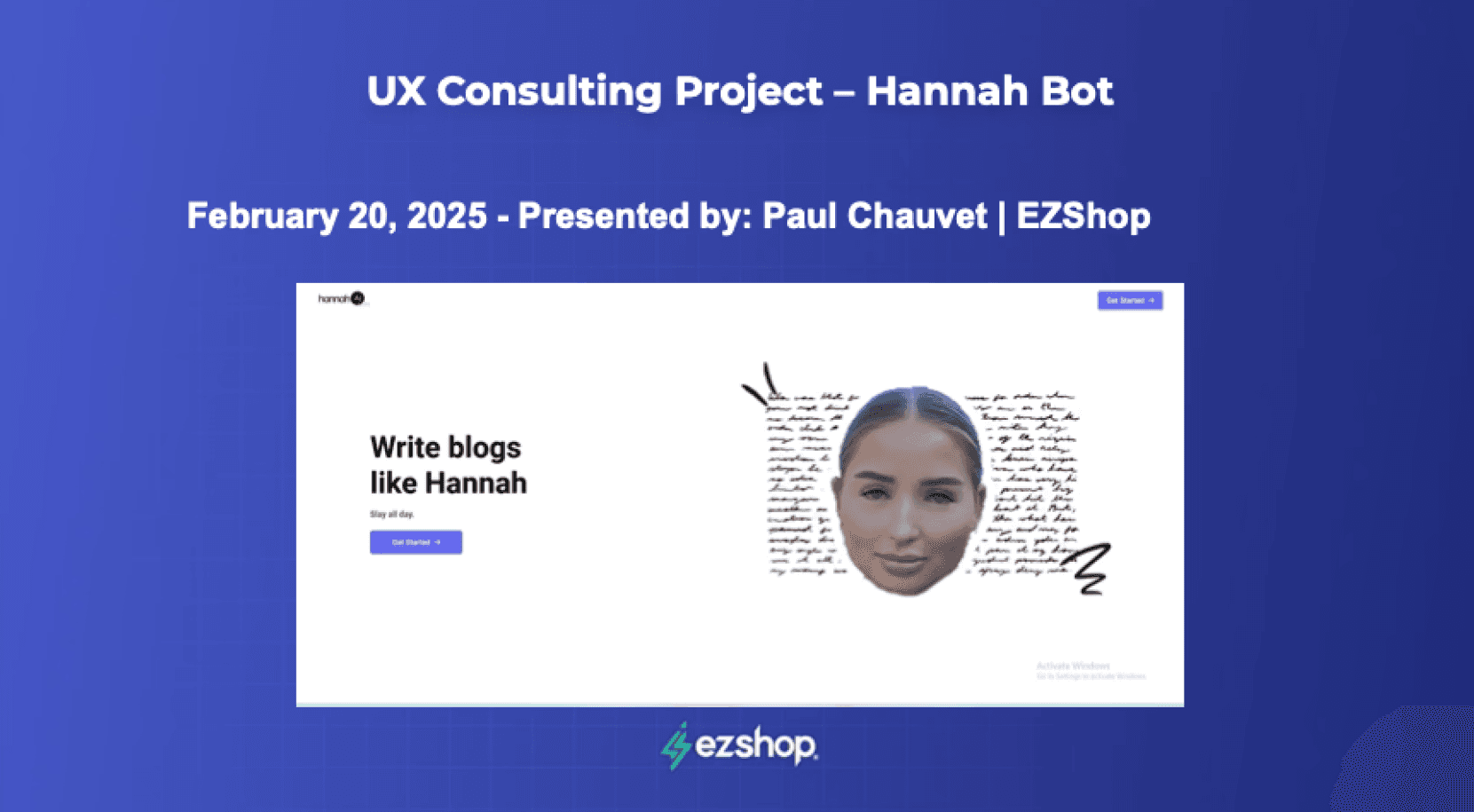 The writer behind the idea.
// The Problem
SEO strategists spent 25h/week accross 5+ tools to find opportunities & data instead of making strategic decisions.
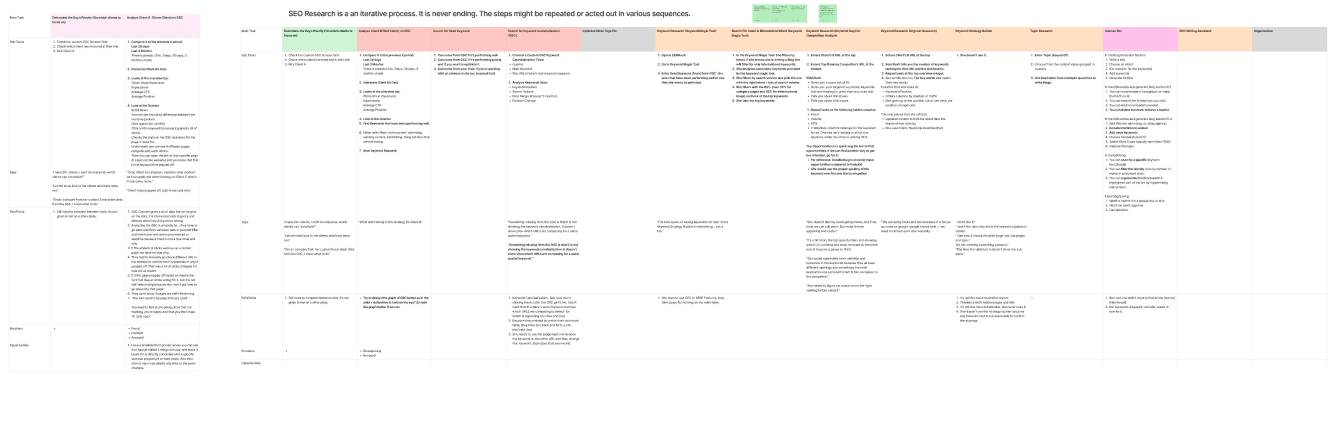 A fraction of the busy work.
 // The Solution
The solution was a system. Users could see the full picture instantly. All decisions relevant to the current workflow were surfaced in context, so users never had to hunt for what mattered next.
// The Impact
3 months, 13 client alignments, 20+ iterations later…

Derisked $100k+ in built costs
4+ months of engineering was derisked via 9+ usability testings, saving $100K+ in build costs in the wrong direction.
Saved 88% of busywork
User input was reduced by 88%, freeing 20+h/week per SEO strategist to take additional clients.
Blogs created in 5x less time
Content creation time was cut from 5 hours to 1 hour, increasing content production efficiency by 400%.
// diving deeper
The Key Decisions
// acting as a strategic partner since day 1
I noticed the founder’s value proposition targeted a vertical SEO giants could easily replicate, so the product needed differentiation at the system level to justify the cost of switching (as they scale in the future).
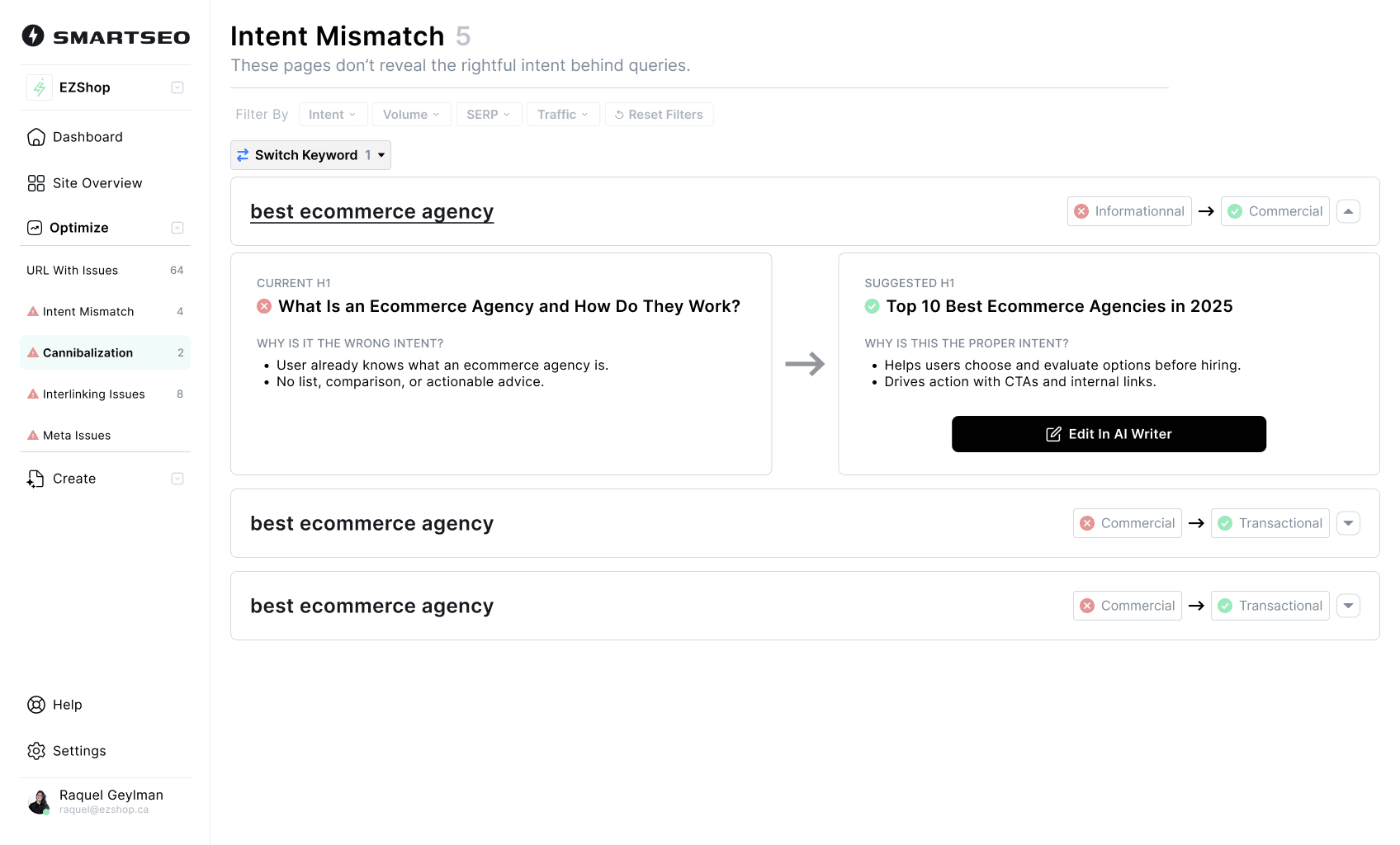 Intent was the initial differentiator. This would have been it.
// determining the core flows
I uncovered 4 high-level steps where the bottlenecks were happening. This became the squeleton of the MVP.
SCraping performing pages & strategy
Deprioritized. A Coded Excel Sheet Could Solve It.
boosting domain authority/ keyword gaps
Part 1 : Finding Gaps To Write About
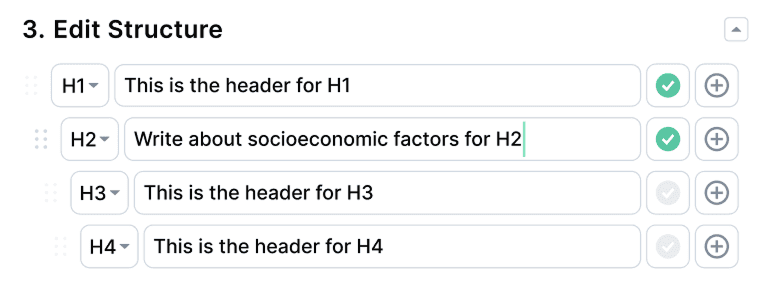
writing seo content
for clients
Part 2: Writing Google Friendly Content
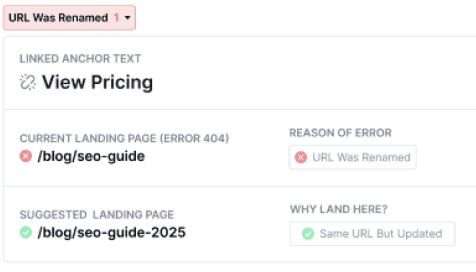
Optimization opportunities
in page & technical
Part 3: Optimizing Existing Website Pages
// bottleneck 1 on 3
Finding Keyword Gaps To Write About
// From 20 clicks to 1
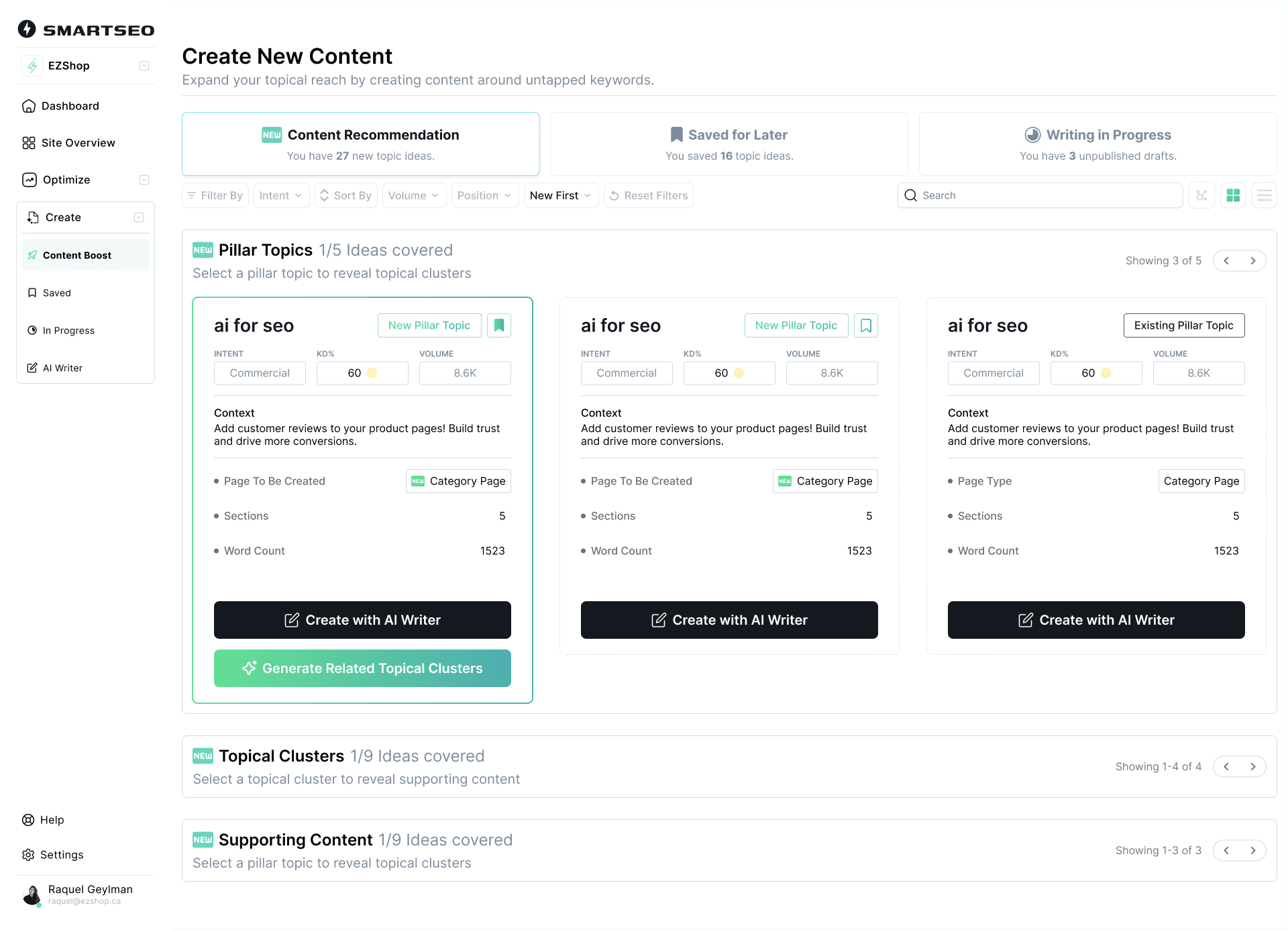
I collapse dozens of exploratory steps across tools like SEMrush to a single glance. I collaborated with engineers to make sure the back-end and prompting could render the solution.
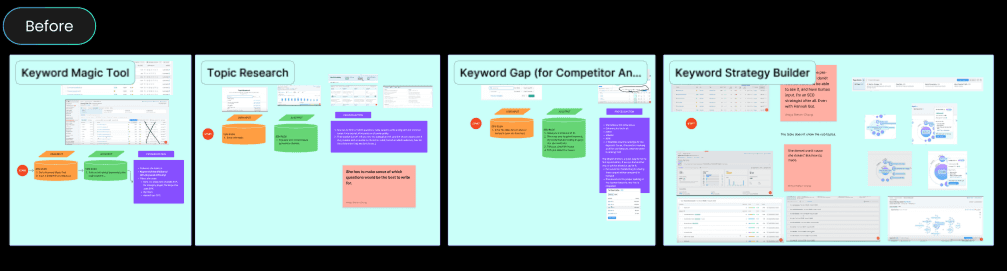 Ex. These 4 features (from SEMRush) could be condensed in 1 flow.
 // Trade off : clarity over cleverness
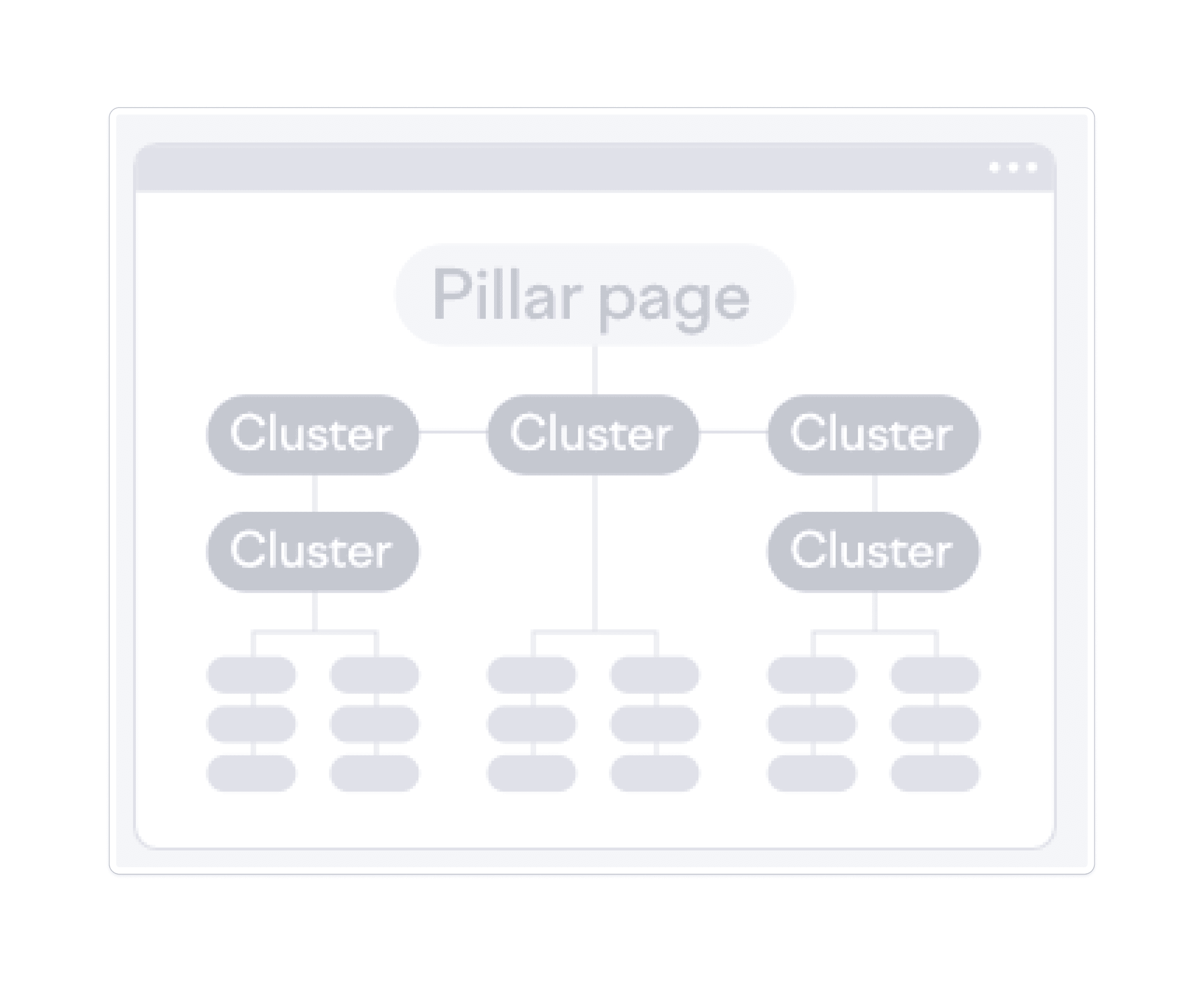
The client wanted the hierarchy of "topic clusters" to be "cosmetically clever". SEO strategists insisted on clarity that supported their workflow. I kept the hierarchy, but took away the layer of difficulty when adapting to various set of datas.
// bottleneck 2 on 3
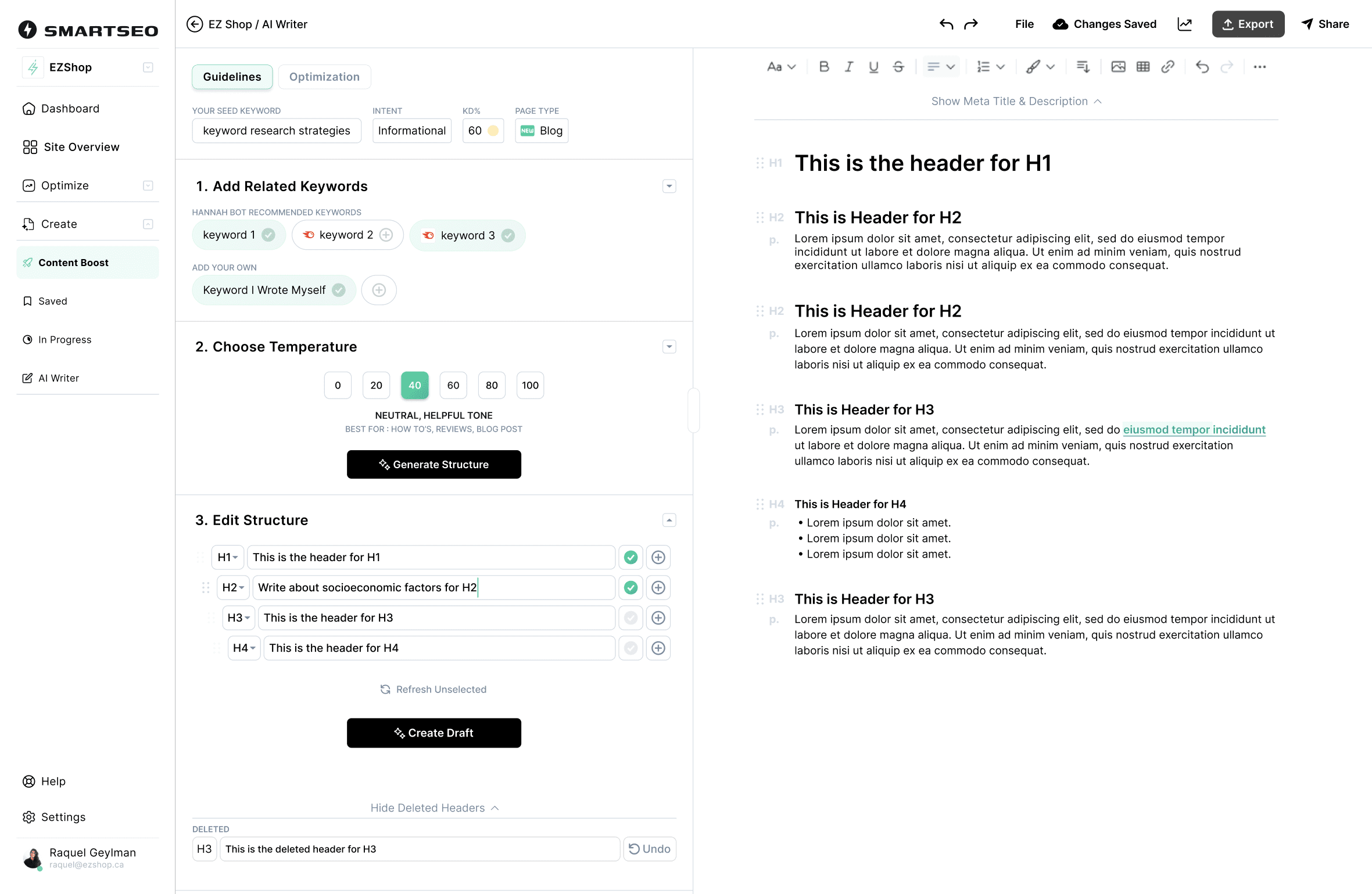
Writing Google Friendly Content
// Translating strategy to copy
Writing content in volume is error-prone and time-consuming, capping output and SEO performance. I iterated until writers had just enough context to move faster and be able to reverse early-decisions mid-writing.
// bottleneck 3 on 3
Optimizing Existing Website Pages
// optimizing by most problematics urls
Fixing by URL was a lazy attempt at simplicity. The stakeholder asked to make it work. But through testing I noticed it broke in 4 different ways.
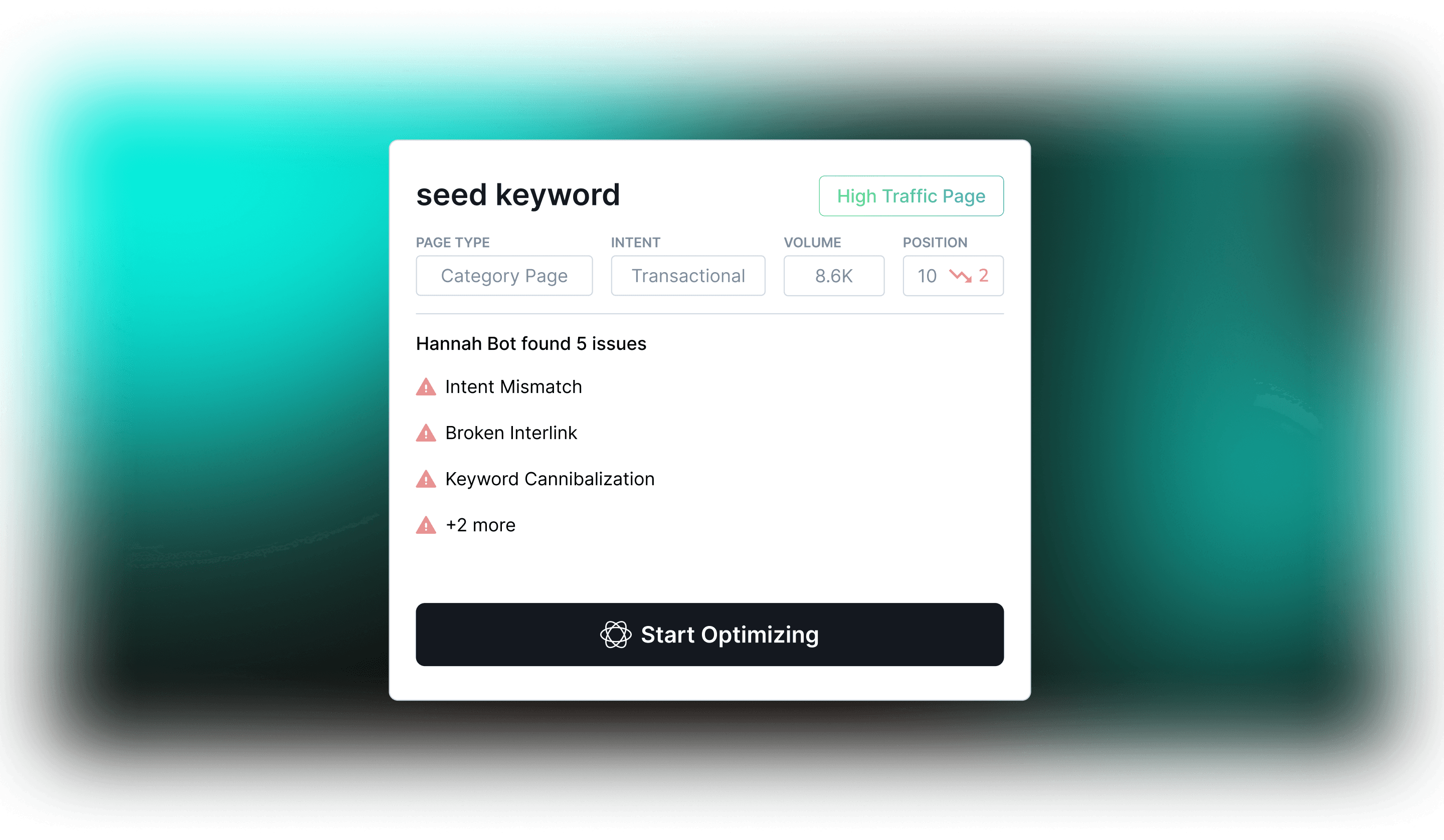 In v2, one click would fix all optimization issues. Except it didn't work like that.
// telling the truth even when the stakeholder is reticent
Advocating against this feature created more work for us. But I couldn't omit facts and data.
Wasted Time
The recap was quantitively incorrect. If one fixes keyword cannibalization of intent mismatch first, then the page needs to be rewritten, cancelling the remainders of fixes.
Not all Fixes Are Fixed Equally
The flow had 2 ends. Some needed to be fixed in the AI writer (in-page optimization), some needed a custom interface to convey the ideal fix.
The Majority Didn't Trust AI
Over 47 people replied they needed transparency and the ability to own the strategy in what gets fix, when and why.
It Created Friction
Some fixes like meta-duplicates were best fixed in batches as the problem itself existed accross URLs.
// trade-off : Transparency over speed
Rather than forcing automation, I designed the system to respect human strategy. I tested to offload only the complexity that didn’t require human judgment.
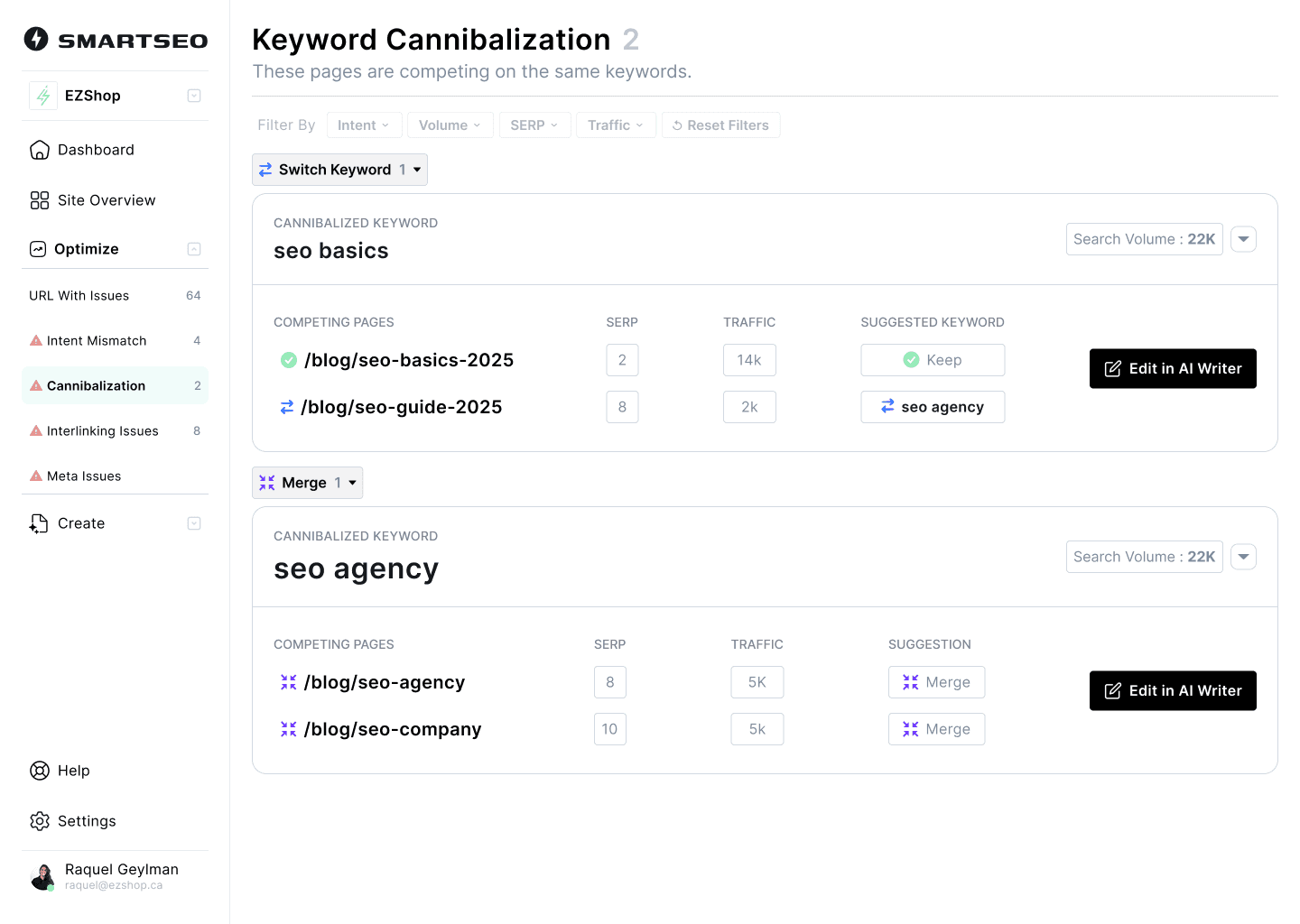 The bare minimum needed to accomplish a task.
// telling the truth even when the stakeholder is reticent
From one screen to a system, I validated the vision and flagged early issues thanks to critical judgement & usability testing despite:

Limited SEO Expertise
We weren’t fluent in SEO at the start. Every decision relied on research and testing.
Scalability Trade-Offs
Power users (SEO strategists) needed full control.
Non-experts required simplicity.
Capacity Drop
Lost a teammate midway through
Forced prioritization of highest-impact features.
Time Constraint
I deferred polish that didn't affect clarity and focused on system level decisions.
// takeaway
The product improved once assumptions were tested in practice instead of debated in theory. That meant, testing every 1-3 days.
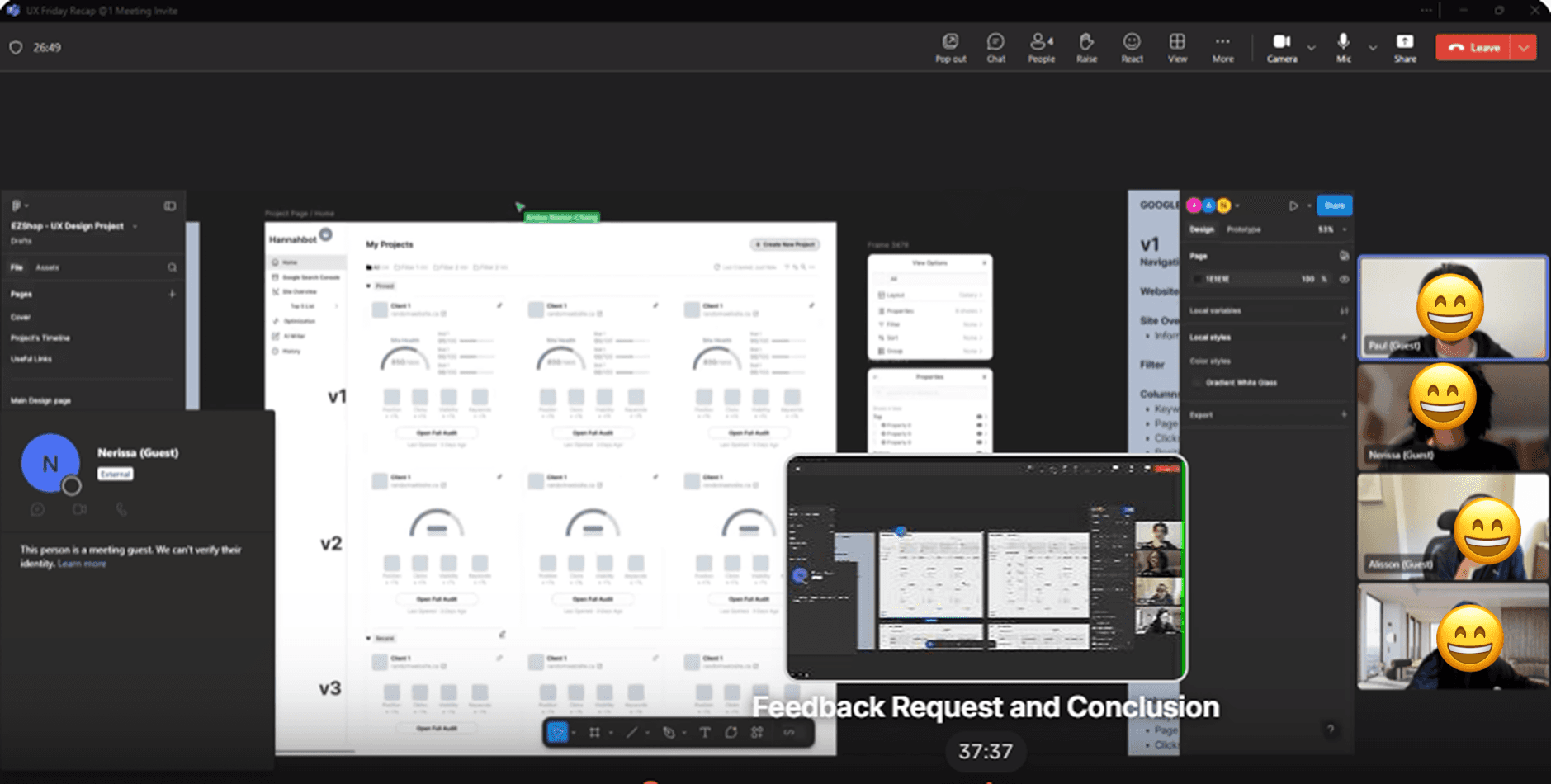 Client Alignment
// Next step
We were a few months ahead of the engineering team due to back-end complexity. CEO asked for a pause. I decided to continue my journey on aligned healthtech missions.
// read next to know how i turned research in habit loops